 |
Towne & Country Animal Clinic Always locally owned and proudly serving Fairborn since 1946 |
|
|
Towne & Country Animal Clinic Always locally owned and proudly serving Fairborn since 1946 |
|

(937)878-4009
www.towneandcountry.com
|
Towne & Country Animal Clinic welcomes you to our website!
All patients entering the clinic are required to be on a leash or in a carrier.
We understand the special role your pet plays in your family and are dedicated to becoming your partner in your pet's health care. We treat your pet as we would our own. Our goal is to practice the highest quality medicine and surgery with compassion and an emphasis on client education. Our entire healthcare team is committed to providing personal attention to the unique concerns of each individual pet owner. At this site, you will find information about our practice philosophy, our services, and an extensive Pet Medical Library for you to search for additional pet health care information. Thank you for taking the time to read about our veterinary practice and the services we offer. We welcome your comments and suggestions. Please contact us at (937)878-4009 for all your pet health care needs. Towne and Country Animal Clinic is a proud supporter of our community!
|
Towne & Country Animal Clinic
801 North Broad St.
Fairborn, OH 45324
Phone: (937)878-4009
Fax: (937)878-8199


HOURS
| Day | Open | Close |
| Monday | 7:45am | 5:30pm |
| Tuesday | 7:45am | 5:30pm |
| Wednesday | 7:45am | 5:30pm |
| Thursday | 7:45am | 5:30pm |
| Friday | 7:45am | 5:00pm |
| Saturday | 7:30am | 12:30pm |
| Sunday | Closed | Closed |
Closed For Lunch
Mon. Tue. Thur. & Fri.
12:30 -1:30 PM
Wednesday 12:00-2:00 PM
 Processing ....
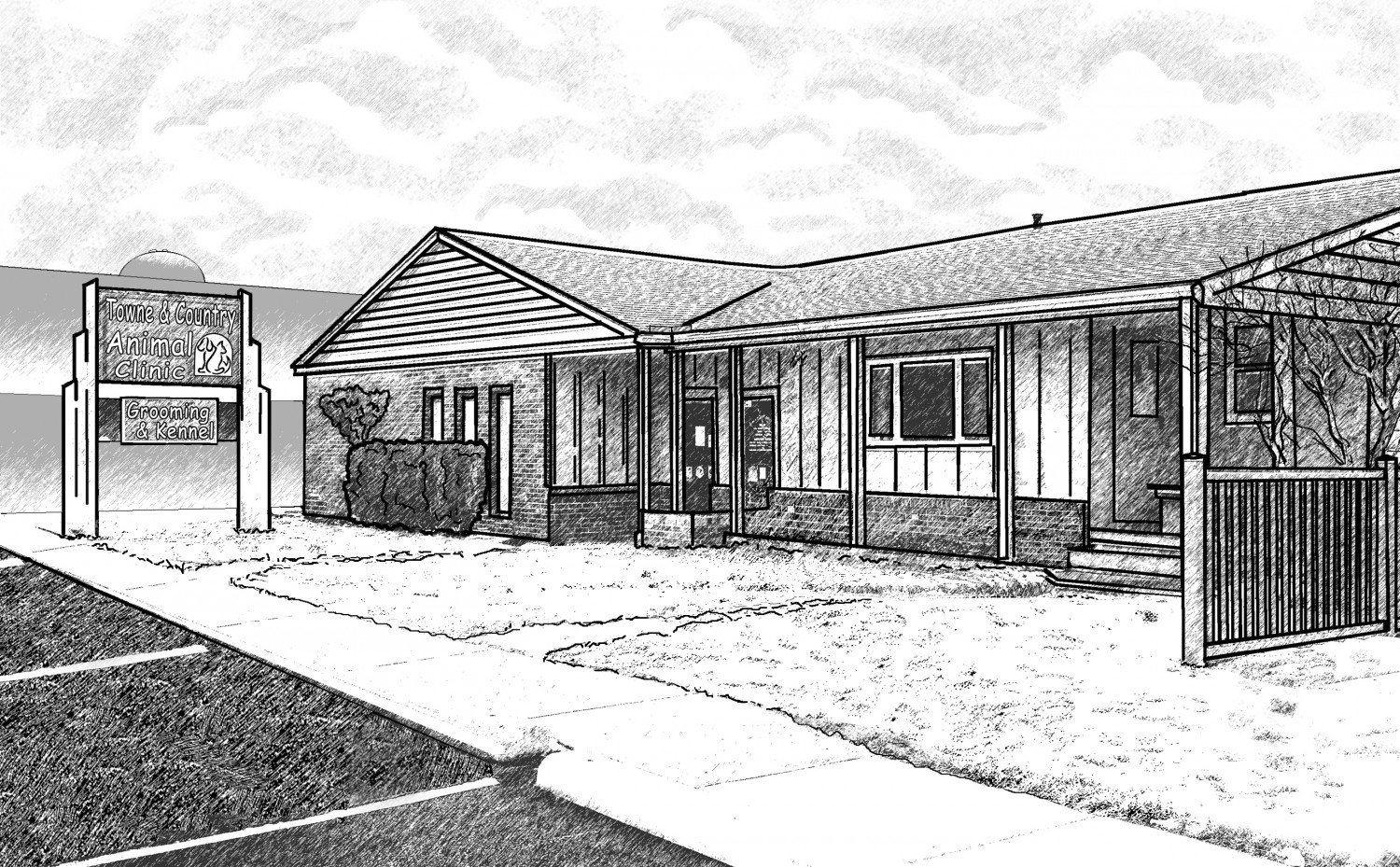 Towne & Country Animal Clinic in Fairborn, OH is a full service companion animal hospital. It is our commitment to provide quality veterinary care throughout the life of your pet. Our services and facilities are designed to assist in routine preventive care for young, healthy pets; early detection and treatment of disease as your pet ages; and complete medical and surgical care as necessary during his or her lifetime.